Beyond the SME Climate Commitment: our commitment to carbon‑negative deployments
We’ve held a core operating principle from our first days: climate action is no longer optional for businesses. The SME Climate Commitment recognizes this urgency and invites small and medium‑sized enterprises to commit to halve their greenhouse‑gas emissions before 2030, achieve net zero before 2050 and disclose progress annually. Hunter Green has signed this commitment and have set our sights higher than the SME Climate Commitment’s targets by ensuring that our operations and each project we deliver are not only net zero but carbon negative.
Looking at the broader landscape, we see inspiration from larger organisations that push beyond neutrality. Microsoft intends to be carbon negative by 2030 and to remove its historical emissions by 2050. EY already operates at a carbon‑negative level, offsetting 121 % of its FY22 emissions while progressing toward net zero in 2025. Interface is shifting its business model to achieve carbon‑negative operations by 2040. These examples show that ambitious climate action is not just for multinationals. Small firms can set and achieve bold goals if they build measurement and removal into their everyday practices.
We decided to translate our climate pledge into two complementary processes: annual operational offsets and per‑deployment carbon accounting. Both are grounded in the GHG Protocol’s Corporate Standard and tailored for a small team that wants to exceed the SME Climate Commitment.

A small firm’s climate ambition: exceeding the commitment with carbon‑negative operations
Our business relies on a mix of energy use, equipment and services. Each year we calculate the total carbon footprint of these operational resources. The process is straightforward:
Gather activity data: We collect electricity and fuel use from our office utility bills, track employee commuting and business travel through expense records, and extract cloud computing usage from provider dashboards. When direct data is unavailable, we estimate emissions based on spend.
Apply emission factors: We convert these activities into tonnes of CO₂e using standard emission factors—for example, kilograms of CO₂ per kilowatt‑hour for electricity or per passenger‑kilometer for travel.
Purchase removal credits: After summing our annual operational footprint, we buy high‑quality carbon removal credits equal to at least 110% of that total. We select projects certified by the Gold Standard or Verified Carbon Standard to ensure the removals are additional, permanent and socially beneficial. Projects include reforestation, regenerative agriculture and emerging technologies like biochar.
This simple annual cycle allows us to meet and exceed the SME Climate Commitment’s requirement to halve emissions by 2030, because we remove more carbon than we emit each year. It also satisfies the commitment’s call for annual disclosure; we report our total operational emissions and the corresponding credits retired in a concise annual sustainability update.

Measuring and offsetting client deployment emissions
Our core work is delivering software deployments for clients. Every deployment consumes compute resources, which have a carbon cost. We treat each release as an opportunity to improve the climate:
Estimate the deployment footprint: During planning, we estimate the energy required for build, test and production environments. We incorporate data centre emission factors and choose cloud regions powered by renewable energy where possible. After deployment, we reconcile estimates with actual usage from monitoring tools.
Reduce the footprint: We adopt carbon‑conscious practices such as optimising code for efficiency, caching computations, and scheduling resource‑intensive tasks during periods when renewable electricity is abundant. These steps cut emissions before we consider offsets.
Offset more than we emit: For the remaining deployment emissions, we retire removal credits equal to at least 120 % of the calculated footprint. This margin accounts for uncertainties and ensures that each deployment results in a net reduction of atmospheric carbon. Credits are drawn from the same high‑quality portfolio we use for annual operational offsets.
We log each deployment’s footprint and offsets in a carbon ledger that is visible to our team. This transparency encourages thoughtful decisions. Developers can see the impact of their choices and adjust behavior accordingly.
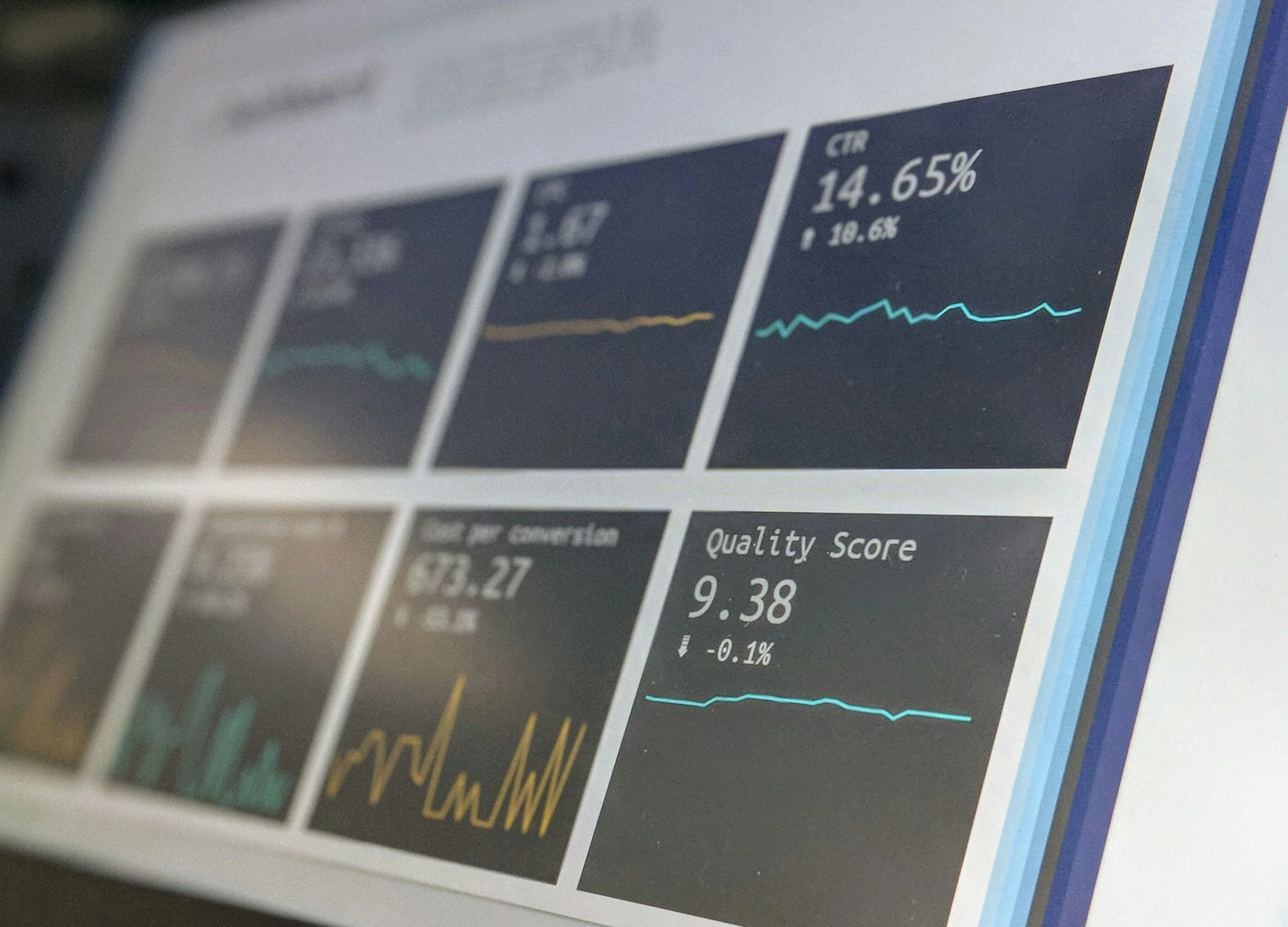
Integrating accounting and reporting for transparency
To bring these practices together, we maintain two linked reports: an annual operational report and a deployment ledger. The operational report summarises our yearly footprint and removal efforts, meeting the SME Climate Commitment’s disclosure requirements. The deployment ledger captures per‑project emissions and offsets, and it informs internal reviews and client communications. Both are updated regularly and use clear metrics, giving us and our stakeholders confidence that our climate claims are grounded in data.
This strategy also demonstrates that small businesses can drive innovation in climate action. By combining annual operational offsets with per‑deployment accounting, we create a scalable model that other SMEs can adopt. Sharing our process publicly, including how we gather data, apply emission factors and select removal projects, helps to demystify carbon accounting for companies without large sustainability teams. We encourage others to follow us and share in this effort as new removal technologies emerge and better data becomes available. We're excited to share our lessons.
Leadership through real, measurable action
Looking forward, we aim to deepen our impact. We are exploring collaborations with local carbon removal initiatives, such as agroforestry projects in Maharashtra, which can create community benefits alongside carbon storage. We plan to refine our estimates for embodied carbon in hardware and office fit‑outs, integrating those into our annual calculations. We remain committed to the SME Climate Commitment’s ethos while proving that small businesses can far exceed its requirements. And if eligibility rules for larger pledges change, we will consider joining to further amplify our voice. In the meantime, each deployment we ship is a tangible action that makes the climate better.